The Sleeper Cell Panic Arrived Right on Schedule
What is being said about Iranian operatives in the United States, what has actually been confirmed, and what Americans should understand while Trump drags the country through another reckless war.

As always, this reporting remains free. Paid subscriptions and Buy Me a Coffee support help cover records, research tools, and document costs, but there is no obligation.
The phrase now moving through headlines is “sleeper cells,” and it is doing exactly what phrases like that are designed to do. It compresses a real security concern into something cinematic, immediate, and politically useful. As of March 9, 2026, ABC News reported that federal authorities circulated an alert to law enforcement describing intercepted encrypted communications believed to be of Iranian origin. It was also reported that the encrypted communications may have served as an “operational trigger” for covert operatives or sleeper assets outside the country. The same report said there was no operational threat tied to a specific location, even as agencies were told to increase monitoring of suspicious radio-frequency activity. That is serious. It is not the same as a confirmed public finding that active sleeper cells have already been identified and disrupted across the United States.
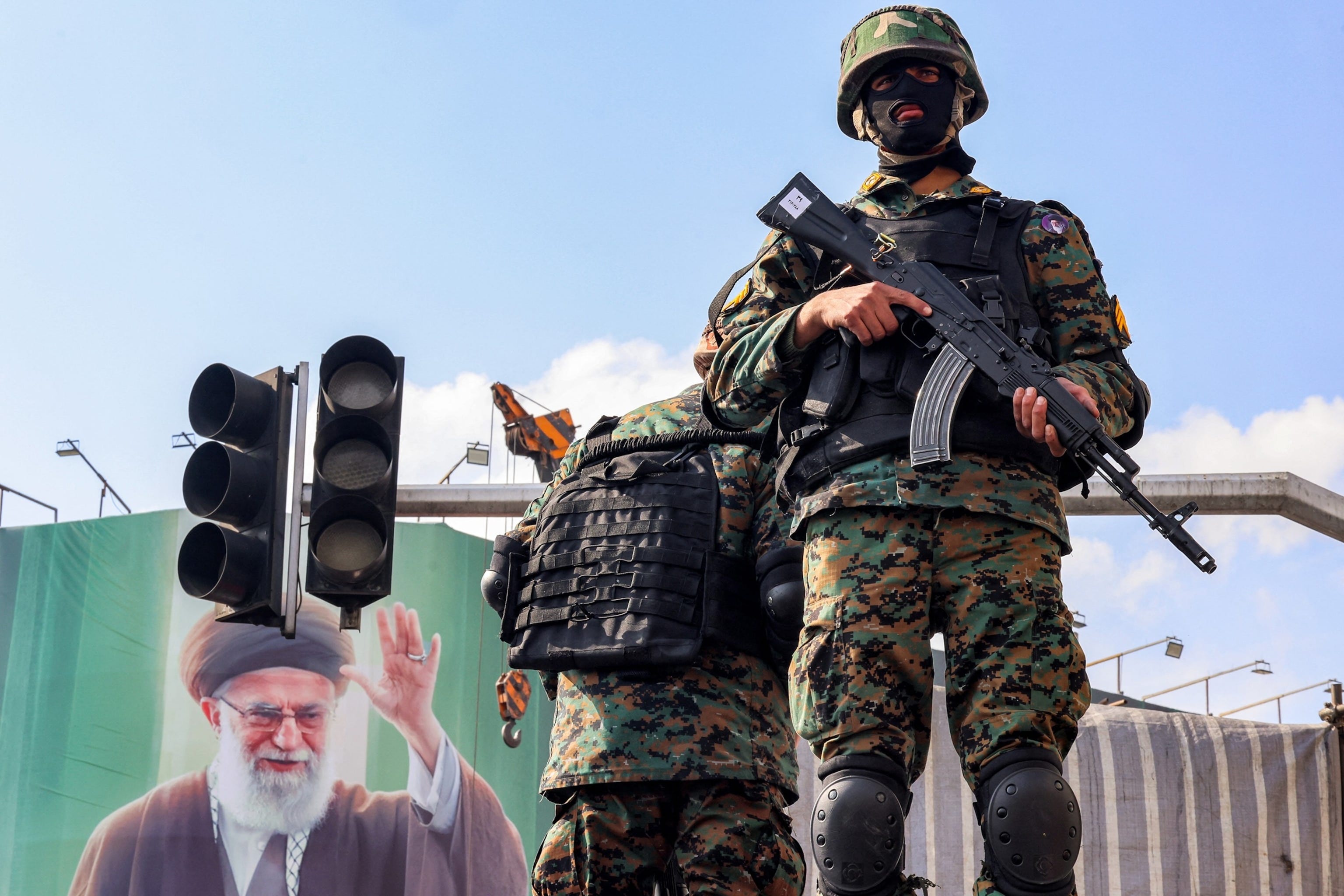
Americans need to be much more precise than the people who profit from panic. The concern has been building and did just not begin this morning. After Trump ordered U.S. strikes on Iranian nuclear sites in June 2025, Reuters reported that the FBI shifted some agents back toward counterterrorism because officials were worried Iran could coordinate attacks on American soil through operatives already in the country. Two days earlier, DHS issued a National Terrorism Advisory System bulletin warning of a heightened threat environment inside the United States tied to the Iran conflict, including the likelihood of low-level cyberattacks, the possibility of violence by extremists, and Iran’s long-standing interest in targeting certain people on U.S. soil. The current discussion is not emerging from nowhere. It is the domestic shadow cast by a war Trump helped widen and then tried to package as strength.
That political context cannot be separated from the security context, no matter how badly Trump and his allies want it separated. Reuters described the June 2025 strikes as the biggest and riskiest foreign-policy gamble of his presidency. AP reported that the bombardment immediately triggered debate in Congress over whether he had the authority to act without congressional approval. That matters because this administration now wants the public to absorb the fear while forgetting the sequence. First came the escalation, then the retaliation risk, and then came the warnings at home. Americans are being asked, once again, to live inside the consequences of a decision they did not make while the man who helped create the danger poses as the only one tough enough to manage it.
What Americans should know now is narrower and more concrete than the noise suggests. There is, at this point, public reporting about a federal alert and about intercepted communications that authorities believe may function as an activation signal. There is also already-established federal concern about Iranian retaliation, including retaliation through operatives or proxies. What does not appear to exist in public reporting, at least so far, is official confirmation of a named imminent threat tied to a particular city or venue. People should resist two bad instincts at once. One is dismissal and the other is fantasy. The first leaves people unprepared and the second turns the country into a rumor mill and we already have enough of that lately.
What people need to do is basic preparedness, not performance. Make sure emergency alerts are enabled a put together a family communication plan and decide now how you would reconnect if phones failed or transit shut down. In crowded buildings, notice exits and pay attention to abnormal behavior instead of drifting through public space on autopilot. Ready.gov advises Americans to make a plan, understand alerts, and prepare for attacks in crowded spaces. DHS’s “If You See Something, Say Something” guidance tells the public to report suspicious behavior to local law enforcement, with the emphasis placed on behavior rather than ethnicity, religion, or nationality. That last part matters because this kind of climate reliably produces stupidity, profiling, and misplaced suspicion against ordinary people who have nothing to do with state violence. Americans should not become unpaid extras in a domestic-security theater production or a racial panic. They should become harder to catch off guard.
There is also something political that needs to happen now, not later. Americans should reject the idea that criticism must wait until after the danger passes because that is how dangerous Presidents keep getting away with this. Trump escalates, wraps the move in nationalist language, and then counts on the threat that follows to silence scrutiny. The result is always the same: More executive power, more fear redirected downward onto the public, and more expectation that civilians should adjust their lives around the impulses of a man who governs like consequences are for other people. This war is ridiculous because it is reckless, because it was sold through the usual mythology of force and control, and because the people being told to stay vigilant at home are the same people who never consented to being marched closer to another regional conflict in the first place.
The correct posture is neither denial nor panic. It is attention with memory intact. Pay attention to what is actually being reported and prepare in ways that are boring and useful. Refuse the media inflation that turns every threat bulletin into a movie trailer and also the political laundering that turns a man who helps create risk into a protector once the risk arrives. And keep the sequence clear, because that is what they always try to destroy first.
Sources:
ABC News on the March 9, 2026 federal alert regarding intercepted Iranian communications and possible sleeper assets
Reuters on the FBI’s June 24, 2025 counterterrorism shift and the June 21–22, 2025 U.S. strikes on Iran
DHS National Terrorism Advisory System bulletin dated June 22, 2025
AP reporting on the congressional war-powers dispute
Ready.gov and DHS preparedness guidance.